

Every teacher knows that a well-managed classroom is the secret sauce to successful learning. But let’s face it—maintaining discipline can sometimes feel like herding cats on roller skates. From the chatterboxes to the daydreamers, the classroom can quickly turn into a circus. Yet, with the right approach, it doesn’t have to be a three-ring disaster.
Understanding Classroom Discipline
Classroom discipline plays a vital role in fostering a conducive learning environment. Effective management strategies enhance student engagement and academic success.
Importance of Classroom Discipline
Classroom discipline impacts students’ focus and behavior. Individual learning experiences improve when students feel secure and respected. Teachers who enforce clear rules create a structured environment. Clear expectations guide students, promoting responsibility. Studies indicate that well-managed classrooms result in higher academic performance. Students learn to self-regulate their actions, which prepares them for future challenges. Moreover, discipline minimizes disruptions, allowing for seamless instructional time. All these factors contribute to a positive atmosphere where learning thrives.
Key Concepts in Classroom Discipline
Several key concepts shape effective classroom discipline. Establishing rules forms the foundation for behavior management. Consistency in enforcing these rules fosters trust and respect. Teachers can implement positive reinforcement strategies to encourage desirable behaviors. Creating a supportive atmosphere promotes student participation and reduces anxiety. Proactive communication between teachers and students strengthens relationships. Additionally, understanding students’ diverse needs enhances discipline effectiveness. Involving parents in discussions about discipline reinforces behavioral expectations. All these concepts collaboratively contribute to a disciplined and effective classroom environment.
Strategies for Effective Classroom Discipline
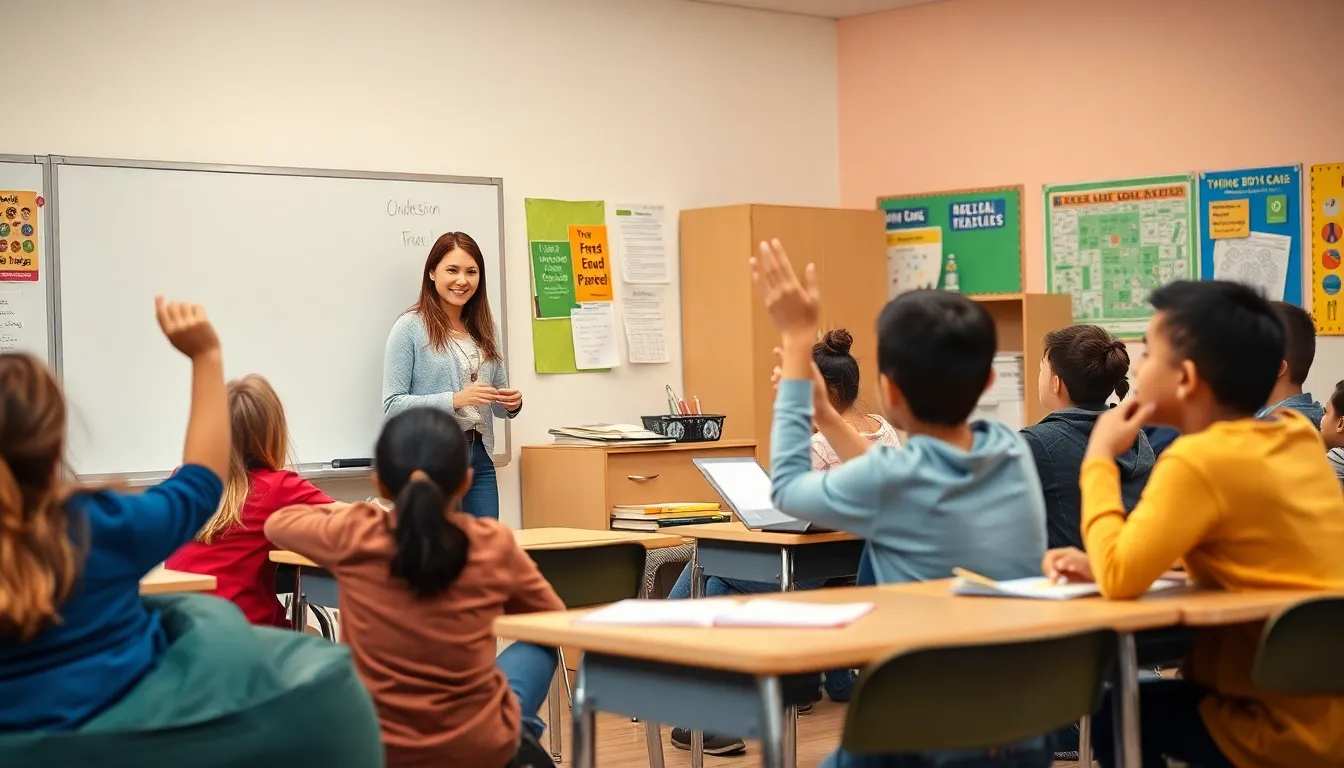
Effective classroom discipline relies on both preventive measures and responsive strategies to maintain a productive learning environment.
Preventive Measures
Establishing clear expectations significantly reduces misbehavior. Rules should be visible and understandable, promoting a sense of security among students. Teaching social-emotional skills empowers students, enabling better conflict resolution. Regularly engaging with students, through check-ins, fosters student-teacher relationships that discourage disruptive behavior. Consistent routines contribute to a smoother classroom flow, helping students know what to expect. Involving parents creates a unified approach, ensuring students understand the importance of discipline at home and school. Providing opportunities for students to set personal goals encourages accountability.
Responsive Strategies
Addressing misbehavior swiftly helps maintain a focused classroom environment. Using reminders reinforces rules while allowing students to correct their actions. When misbehavior occurs, implementing logical consequences fosters understanding of actions and their impact. Focus on maintaining calmness during conflicts encourages students to do the same. Praise positive behavior publicly rewards compliance and motivates others. Collaborating with counselors offers additional support for students struggling with discipline. Lastly, flexible seating arrangements promote engagement and help lessen instances of disruptive behavior.
Challenges in Maintaining Classroom Discipline
Maintaining classroom discipline presents several challenges that affect the learning environment. Teachers often encounter varying student behaviors that disrupt focus and engagement.
Common Misbehaviors
Common misbehaviors include talking out of turn, disrespecting peers, and not completing assignments. Frequent disruptions can stem from students seeking attention or feeling disengaged. Disrespect towards authority figures can also manifest in classroom settings. Understanding these behaviors is crucial for devising effective management strategies.
Factors Affecting Discipline
Factors affecting discipline include classroom size, student demographics, and individual learning needs. Larger class sizes often lead to less individualized attention, making management more difficult. Additionally, cultural backgrounds and different personal experiences can influence how students respond to rules. Emotional and social challenges further complicate the dynamics within the classroom, requiring tailored approaches to discipline.
Role of Educators in Classroom Discipline
Educators play a crucial role in establishing and maintaining classroom discipline through effective strategies and relationships. They set the tone for a respectful and productive learning environment.
Building Relationships with Students
Creating genuine connections with students enhances discipline. Trust and respect form the foundation for effective classroom management. Teachers who understand their students’ individual needs foster a supportive atmosphere. Regular one-on-one interactions encourage open communication. Additionally, showing interest in students’ lives can boost engagement. When students feel valued, they’re less likely to misbehave. Educators can also use student feedback to build rapport. Empowering students to express their concerns cultivates a sense of belonging. Strong relationships ultimately lead to improved focus and classroom harmony.
Establishing Clear Expectations
Defining clear expectations sets the groundwork for classroom discipline. Teachers should articulate rules at the beginning of the school year. Consistency in reinforcement maintains order. Clear communication helps students understand behavioral standards. Visual aids, like charts or posters, can effectively remind students of these rules. Involving students in the rule-setting process promotes ownership and accountability. When expectations are clear, students are more likely to adhere to them. Regularly reviewing these expectations reinforces their importance. Establishing clear guidelines also reduces confusion and creates a more structured learning environment.
Effective classroom discipline is vital for creating an environment where students can thrive. By implementing clear rules and maintaining consistency teachers can foster responsibility and self-regulation among students. This structured approach not only enhances student engagement but also contributes to academic success.
Building strong relationships with students and involving parents in the discipline process further reinforces positive behavior. Understanding individual needs and cultural backgrounds allows educators to tailor their strategies effectively. As teachers continue to adapt and refine their methods classroom discipline will evolve into a powerful tool for enhancing learning experiences and outcomes.
