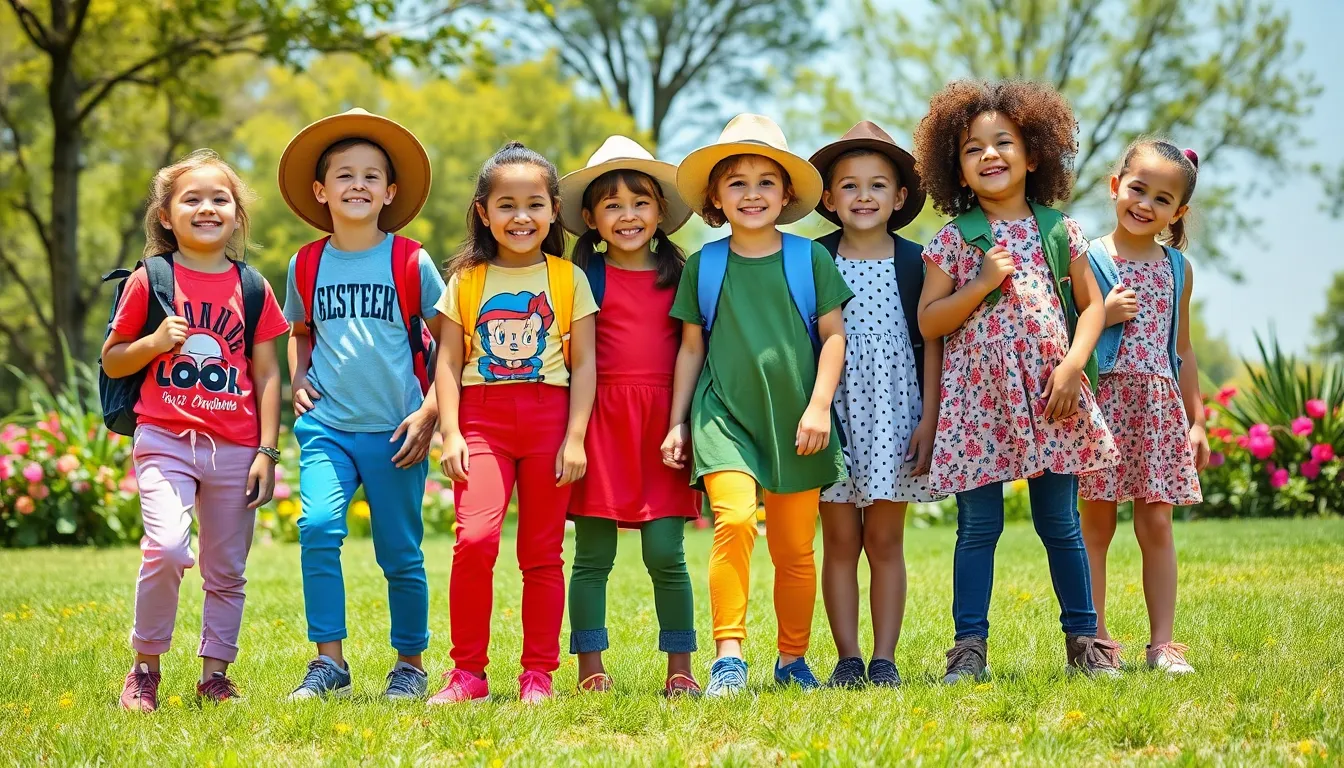
When it comes to kids’ fashion, it’s not just about looking cute—it’s about unleashing their inner style icons. Parents often find themselves navigating a colorful jungle of trends, fabrics, and styles that can make even the most seasoned fashionista dizzy. But fear not! Kids’ clothing has evolved into a vibrant playground where comfort meets creativity, allowing little ones to express themselves without sacrificing practicality.
Overview of Kids Fashion Clothing
Kids’ fashion clothing has transformed significantly, merging style with functionality. Trendy apparel now embraces vibrant colors and playful patterns that capture children’s imaginations. Parents often look for versatile options that suit various activities, such as school, playdates, and family outings.
Comfort stands central in today’s kids’ clothing selections. Materials like cotton and blends ensure that kids enjoy unrestricted movement. Durability also plays a crucial role, as active children require clothing that withstands the rigors of daily play. Trendy designs consistently emerge, offering choices for every occasion, from casual wear to special events.
Brands increasingly focus on sustainability. Eco-friendly fabrics and manufacturing processes cater to parents seeking conscious shopping options. Stylish choices now blend conscious practices, showcasing a growing commitment to environmental responsibility.
Sizes range widely, accommodating the varied growth rates of children. This variety helps parents find the perfect fit without sacrificing style. Accessories, including hats and shoes, enhance outfits and allow for further personalization. Different styles, such as cute dresses or rugged jeans, help kids express their unique personalities.
Kids’ clothing collections often include themed designs, aligning with popular culture and children’s interests. These themes connect with characters from movies or books, making outfits appealing. As seasons change, so does fashion, introducing fresh styles that keep children’s wardrobes exciting and relevant.
The current landscape of kids’ fashion clothing emphasizes a blend of comfort, creativity, and sustainability, enabling children to showcase their individuality while ensuring practicality for everyday wear.
Trends in Kids Fashion Clothing
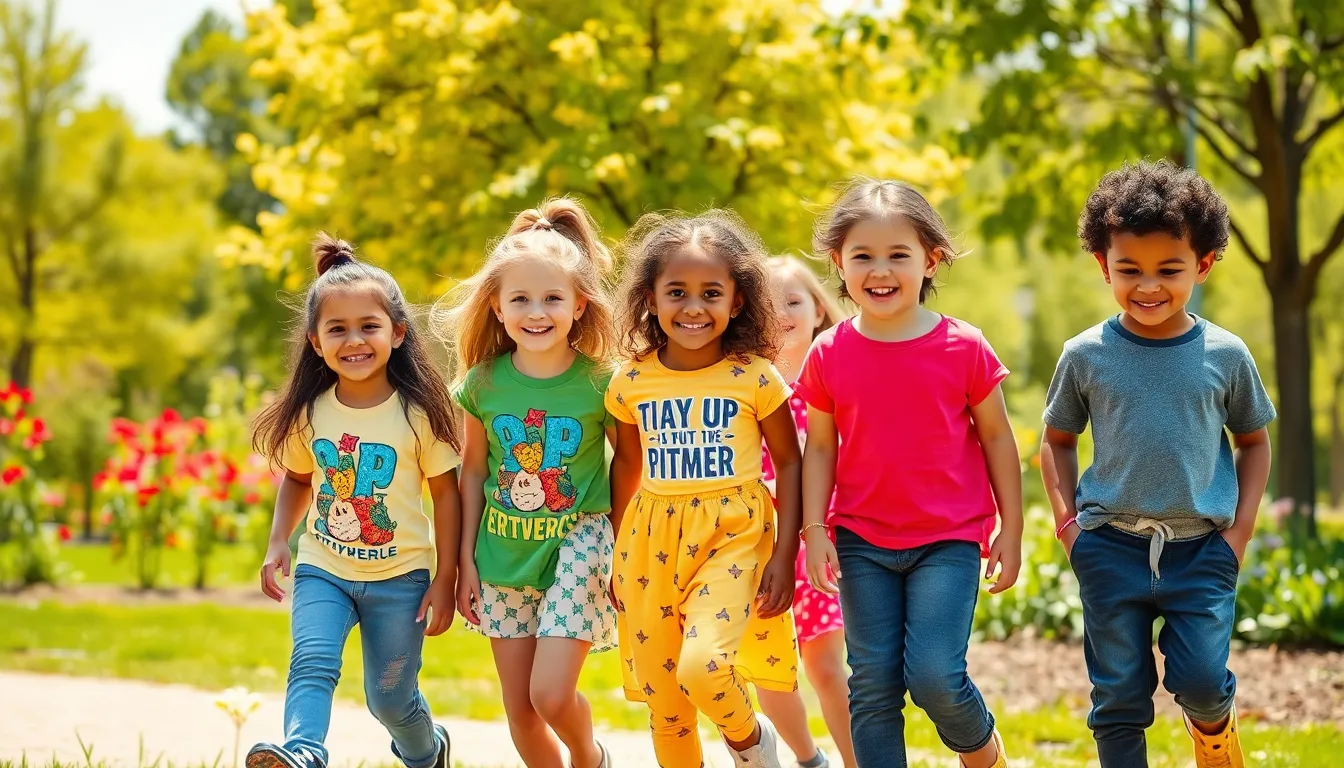
Current kids’ fashion reflects vibrant trends that emphasize individuality and comfort. Seasonal styles adapt to weather shifts while prioritizing functionality and creativity.
Seasonal Trends
Spring showcases pastels and floral prints, creating a fresh vibe that represents rebirth. Summer highlights bright colors and lightweight fabrics, allowing for breathability during hot months. Autumn introduces layered looks with rich tones, perfect for exploring nature. Winter embraces cozy materials like fleece, ensuring warmth without sacrificing style. Each season captivates children with unique themes that keep wardrobes dynamic.
Popular Styles
Graphic tees remain a staple, featuring beloved characters and fun slogans that resonate with kids. Joggers offer versatility, making them ideal for both play and casual outings. Dresses in playful patterns combine comfort with a touch of whimsy. Overalls, a timeless classic, provide a retro flair while remaining practical. Finally, accessories such as hats and backpacks add personal flair, enhancing any outfit.
Sustainable Kids Fashion Clothing
Sustainable kids fashion focuses on eco-friendly choices that benefit children and the planet. This shift brings attention to the materials and brands parents choose for their children’s wardrobes.
Eco-Friendly Materials
Organic cotton emerges as a popular choice due to its softness and breathability. Bamboo fabric follows closely, recognized for its sustainability and natural antibacterial properties. Recycled polyester also plays a crucial role in sustainable fashion, utilizing plastic waste to create durable clothing. For instance, Tencel, produced from sustainable wood sources, offers comfort while reducing environmental impact. Several brands now showcase clothing made from these eco-friendly materials, allowing children to wear stylish yet responsible apparel.
Ethical Brands
Brands emphasizing ethical production practices contribute significantly to sustainable kids fashion. Many ensure fair labor conditions and sustainable sourcing of raw materials. Notable examples include Tentree, which plants ten trees for every item sold, and Patagonia, known for its commitment to environmental activism. Companies such as Frugi prioritize organic fabrics and transparent supply chains, helping parents make informed choices. Moreover, these brands foster a sense of responsibility, connecting kids with the importance of sustainability. Supporting ethical brands empowers consumers to contribute positively to the fashion industry while dressing their children in stylish, sustainable clothing.
Tips for Choosing Kids Fashion Clothing
Selecting the right kids’ fashion clothing involves considering several vital factors. Understanding these factors ensures children’s clothing suits their needs while reflecting their personality.
Age Appropriateness
Choose styles aligned with children’s developmental stages. Toddlers thrive in clothing featuring fun prints and vibrant colors that stimulate creativity. School-aged children may prefer designs influenced by pop culture, allowing them to connect with their peers. Teenagers often express their identities through fashion, so offering diverse styles is essential. Always keep in mind the appropriateness of outfits for various activities, whether play, school, or special events. Recognizing age-appropriate clothing promotes self-expression while maintaining suitable boundaries.
Comfort and Fit
Prioritize comfort when selecting kids’ clothing to support active lifestyles. Fabrics like cotton and bamboo provide breathability and flexibility, crucial for unrestricted movement. Explore styles with adjustable features such as elastic waistbands or gathered sleeves for a more personalized fit. Consider the garment’s size; roomy designs prevent discomfort during play. Assess pieces that allow layering, creating versatility for different seasons. A proper fit promotes confidence, ensuring children feel good in their outfits while engaging in various activities.
The world of kids’ fashion is thriving with creativity and sustainability at its core. As children explore their unique styles comfort and practicality remain paramount. Parents can confidently navigate the myriad of options available knowing that modern clothing not only looks great but also supports active lifestyles.
With a focus on eco-friendly materials and ethical production practices families can make choices that benefit both their children and the environment. Embracing vibrant colors playful patterns and versatile designs allows kids to express themselves freely.
Ultimately the blend of style and functionality in kids’ fashion cultivates a sense of individuality while ensuring that every outfit is ready for adventure.