

Discipline can feel like a four-letter word, but it doesn’t have to be a drag. In fact, with the right strategies, it can be a game-changer in achieving goals and maintaining order. Whether it’s wrangling kids, managing a team, or just trying to keep your own life in check, finding effective discipline ideas can make all the difference.
Importance of Discipline
Discipline plays a crucial role in achieving personal and professional goals. It fosters self-control, enabling individuals to make consistent choices aligned with their objectives. A structured environment benefits everyone, whether in parenting, team management, or personal organization.
Consistency remains essential for long-term success. Regularly applying discipline cultivates habits that lead to productivity and efficiency. It also enhances focus, as individuals prioritize tasks effectively without distractions.
In team settings, discipline strengthens collaboration and accountability. Members who embrace discipline contribute to a positive culture, helping the entire group remain on track. When leaders model disciplined behavior, they inspire their teams to follow suit.
Furthermore, discipline builds resilience. Individuals facing challenges develop the strength to push through obstacles, reinforcing their commitment to goals. This resilience often leads to greater satisfaction and fulfillment in various aspects of life.
Discipline not only impacts personal growth but also relationships. Effectively setting boundaries and expectations promotes mutual respect among family members, colleagues, and friends. Nurturing these relationships ultimately supports a more harmonious environment.
Implementing discipline yields transformative results, shaping behavior and attitudes. As individuals embrace discipline, they unlock potential and enhance their overall quality of life. Prioritizing discipline can lead to success in many areas, ensuring lasting impact and growth.
Types of Discipline Ideas

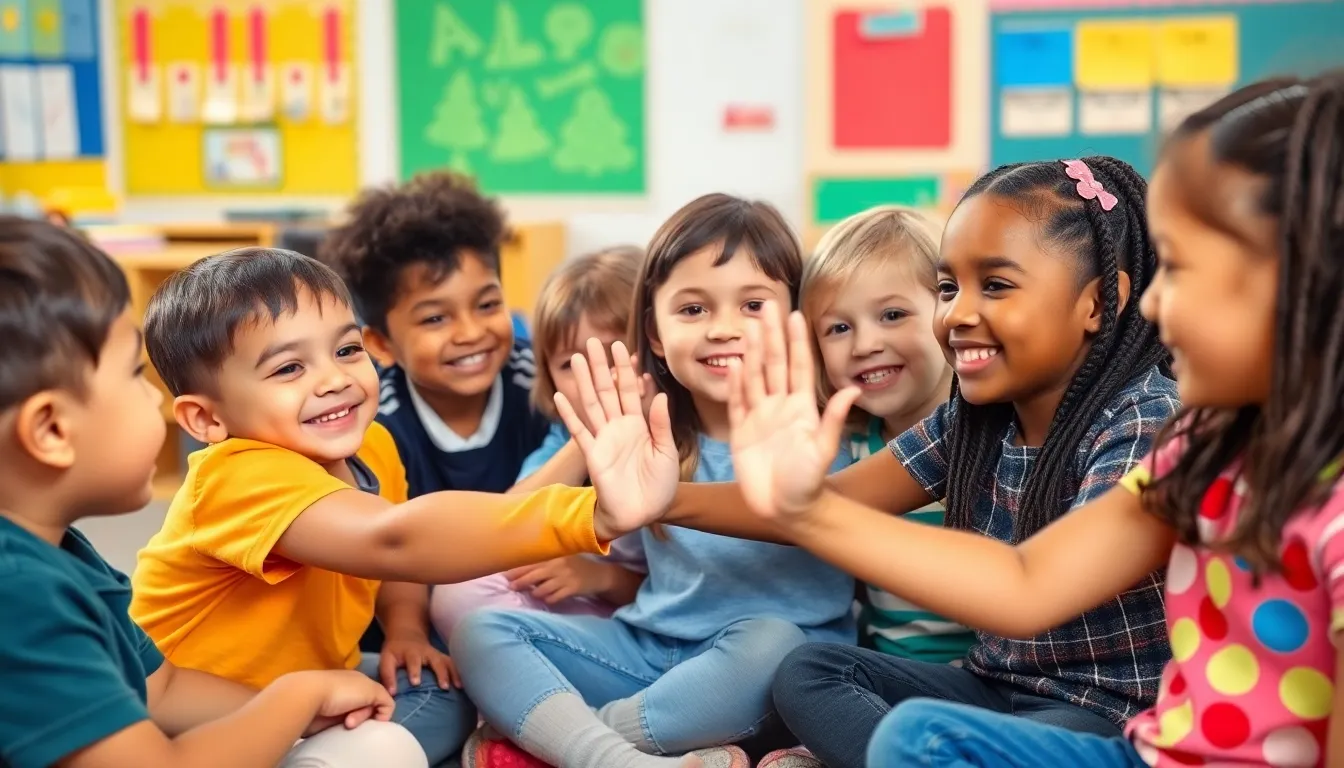
Discipline can manifest through various strategies. These methods create structure, enhance learning, and promote positive behaviors.
Positive Reinforcement
Positive reinforcement encourages desired behaviors by rewarding individuals. Rewards can include praise, privileges, or small incentives. For example, recognizing a child’s effort with verbal affirmation fosters motivation. Similarly, in workplace settings, acknowledging team accomplishments boosts morale. Consistent application of positive reinforcement leads to an environment where good behavior is valued. Over time, these strategies build self-esteem and encourage further adherence to rules. Rewards serve as a powerful tool for shaping behaviors effectively.
Natural Consequences
Natural consequences occur as a direct result of one’s actions. These outcomes provide individuals with real-life lessons about their choices. For instance, if a student neglects homework, receiving a lower grade illustrates the importance of responsibility. Allowing individuals to experience these results promotes accountability. This approach teaches understanding and encourages future improvement without imposing external punishments. Natural consequences help individuals connect actions with outcomes, reinforcing the notion of personal responsibility. Learning through experience equips individuals with valuable insights.
Time-Out Techniques
Time-out techniques provide a structured break to de-escalate situations. These moments allow individuals to reflect on their actions away from distractions. For children, a designated quiet space can facilitate calming down. Adults can benefit from stepping away from stressors during heated moments. Time-outs encourage emotional regulation by creating opportunities for self-reflection. Proper implementation requires clear communication about the purpose of the time-out. Effective time-out strategies can teach individuals how to manage emotions and improve future interactions.
Implementing Discipline Ideas
Effective implementation of discipline ideas relies on established strategies. Consistency and age-appropriate methods enhance the process, fostering growth and responsibility.
Consistency is Key
Establishing routines promotes a structured environment. Parents and leaders benefit from maintaining regular expectations. Consistent actions reinforce learning and build resilience. Individuals involved understand the relationship between behavior and consequences. Immediate feedback strengthens these connections. Repeated reinforcement of expectations leads to better adherence and understanding over time. Following this approach, both parties gain clarity and foster trust. Goals and outcomes become clearer with consistent reinforcement.
Age-Appropriate Strategies
Recognizing developmental stages is essential for effective discipline. Tailoring approaches to individual maturity levels promotes understanding and respect. Younger children respond better to visual cues and simple explanations. Older individuals can engage in discussions about consequences, fostering accountability. Specific techniques, such as role-playing, enhance their comprehension. Utilizing natural consequences helps them connect actions with outcomes. Younger children benefit from structured routines, while teenagers can manage more autonomy. Prioritizing these strategies ensures discipline remains supportive and constructive.
Common Challenges
Discipline poses several challenges that can impede its positive impact. Recognizing these challenges helps adjust approaches effectively.
Dealing with Resistance
Resistance often arises in both children and teams when implementing discipline strategies. Individuals may reject boundaries, leading to confrontation. In these instances, remaining calm and firm is crucial. Creating open lines of communication can encourage discussions about expectations. Implementing consistent rules fosters a sense of fairness, reducing resistance over time. Establishing logical consequences allows individuals to see the outcomes of their actions, promoting self-reflection. Building trust has a significant role, as it motivates cooperation and adherence to established norms.
Balancing Discipline and Affection
Balancing discipline and affection presents a common challenge for caregivers and leaders. Individuals thrive on emotional connections, making warmth essential. Expressing love while enforcing boundaries reinforces the relationship. Acknowledging efforts and providing positive feedback enhances motivation significantly. When discipline feels punitive, it risks damaging trust. Encouraging open conversations about feelings associated with discipline fosters emotional intelligence. Empathy also nurtures a sense of safety, allowing individuals to appreciate the intent behind discipline. Ultimately, finding this balance creates an environment conducive to growth and respect.
